
The Toxin and the Thermostat
How a health movement became the operating system for a new kind of regulation
When I launched this newsletter, I was tracking one story: how the Make America Healthy Again movement was reshaping the reputational landscape for food and pharma. It was a specific conversation in a specific lane.
I am not sure that lane exists anymore.
What I am watching right now is something I did not fully anticipate when I started writing about MAHA. The logic of that movement, the idea that corporations introduced something harmful into your body without your full understanding or consent, has migrated. It is showing up in places that have nothing to do with food dye or direct-to-consumer drug advertising. And it is being used by people who would never identify themselves as part of any health movement at all.
That is worth paying attention to.
The regulatory frame has shifted from "is this safe?" to "is this clean?" Those are not the same question, and they do not have the same answer.
The Frame That Jumped the Fence
The MAHA argument, at its core, was always a moral argument dressed up as a health argument. The claim was not just that Red 40 raises hyperactivity risk in some children. The claim was that a company knew something was harmful and sold it anyway, and that the regulatory system looked the other way. Harm plus concealment plus institutional failure. That is a powerful narrative structure.
What I am watching in state legislatures right now is that same structure being applied to technology.
Bills moving in California and Arizona are describing algorithmic recommendation systems not as products with design tradeoffs, but as "digital pathogens." The testimony uses words like "addiction" and "contamination." A lawmaker in one hearing referred to a specific app feature as something that was "introduced into the developing brain."
That language did not come from a tech policy background. It came from the wellness and MAHA conversation that has been building for two years. The vocabulary crossed over. And once that vocabulary is in the room, the defense strategies that previously worked, studies, safety records, consumer choice arguments, stop working. You cannot rebut a purity argument with a utility argument. They are operating on different moral frequencies.
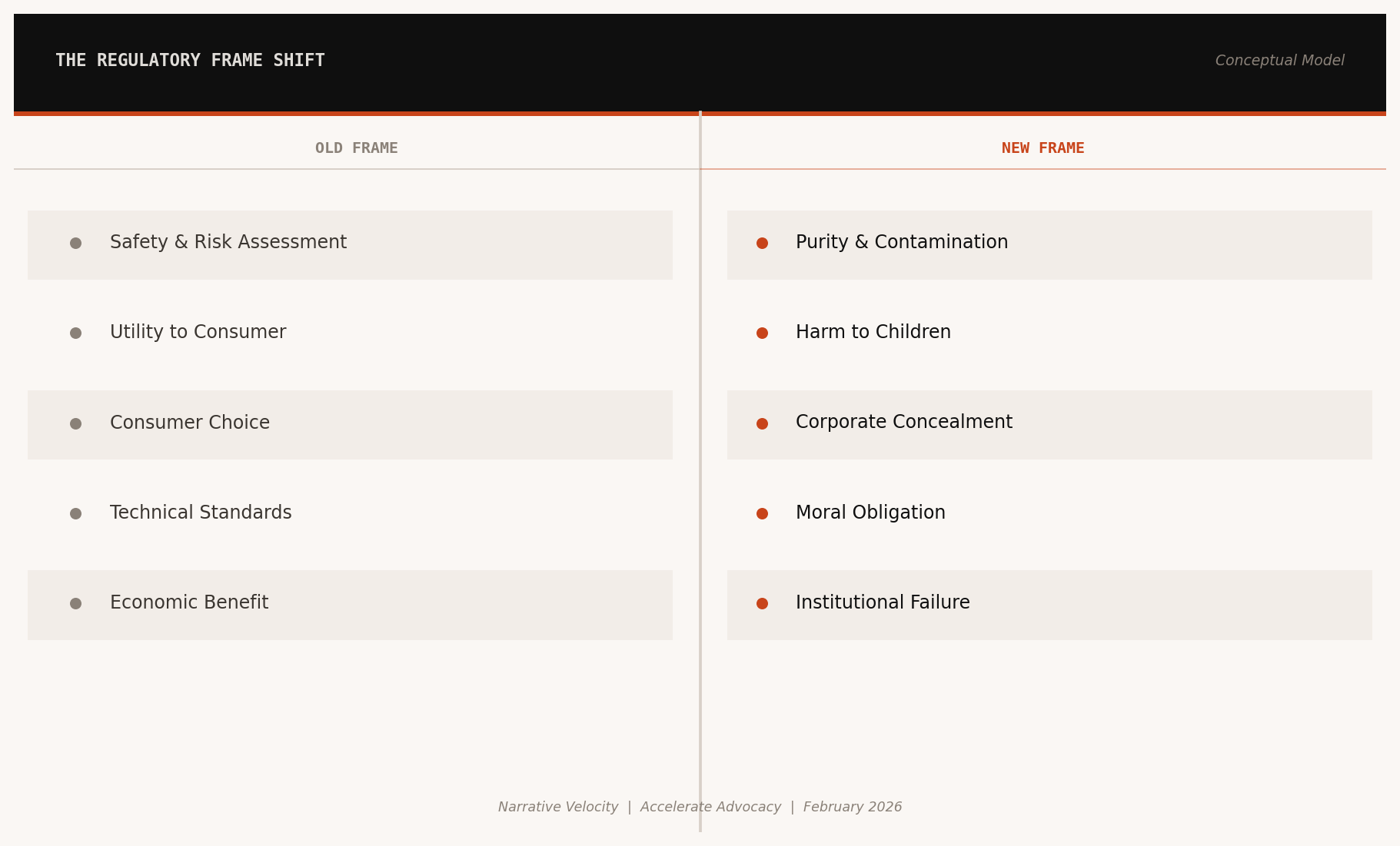
Chart 1: The Regulatory Frame Shift | Narrative Velocity | Accelerate Advocacy
The Exit Penalty
There is a second thing developing right now that is getting almost no national coverage, and I think it matters more than most people realize.
States are beginning to penalize companies for leaving.
The clearest current example is in California's insurance market, where legislation is tying a company's ability to operate in profitable auto insurance lines to its continued presence in the unprofitable home insurance market. The logic is blunt: if you want the good business, you cannot walk away from the hard business.
This is a meaningful shift. The implicit social contract for most of the last 40 years was that companies could exit markets that no longer worked financially. That is how market discipline was supposed to function. What is emerging now is a different frame, one where market exit is characterized as abandonment. As harm. Sometimes, in the rhetoric, as a kind of corporate negligence.
I expect this logic to show up in healthcare and utilities before the end of the year. Any organization that is even privately considering a market exit right now should be thinking about this today, not after the bill drops.
Every organization has an entry strategy. Very few have an exit strategy that accounts for legislative retaliation. That gap is starting to matter.
The Signal I Keep Coming Back To
I want to be honest about something. When I first pulled the data on this next item, I almost filed it under "interesting but niche." I am glad I did not.
While the national AI conversation focuses on model capabilities, safety guardrails, and the race between labs, the actual legislative action on AI right now is about water.
Virginia and Arizona both have active bills targeting data center water consumption. Not their outputs. Not their hiring practices. Their water usage. The framing in both cases connects data center infrastructure directly to rising residential utility costs, specifically water and electricity bills.
Think about what that means strategically. The "techlash" argument that has been hardest to land for years is the abstract one: AI will take your job, AI will spread misinformation, AI will concentrate power. Those arguments require a voter to imagine a future harm. The water and utility bill argument requires nothing. It points to a number on a bill they already received.
THE CORE MECHANIC:
Fear of an AI apocalypse is abstract. A $40 spike in your water bill is not. This is the same mechanism that made MAHA resonate. The harm became visible, personal, and monthly.
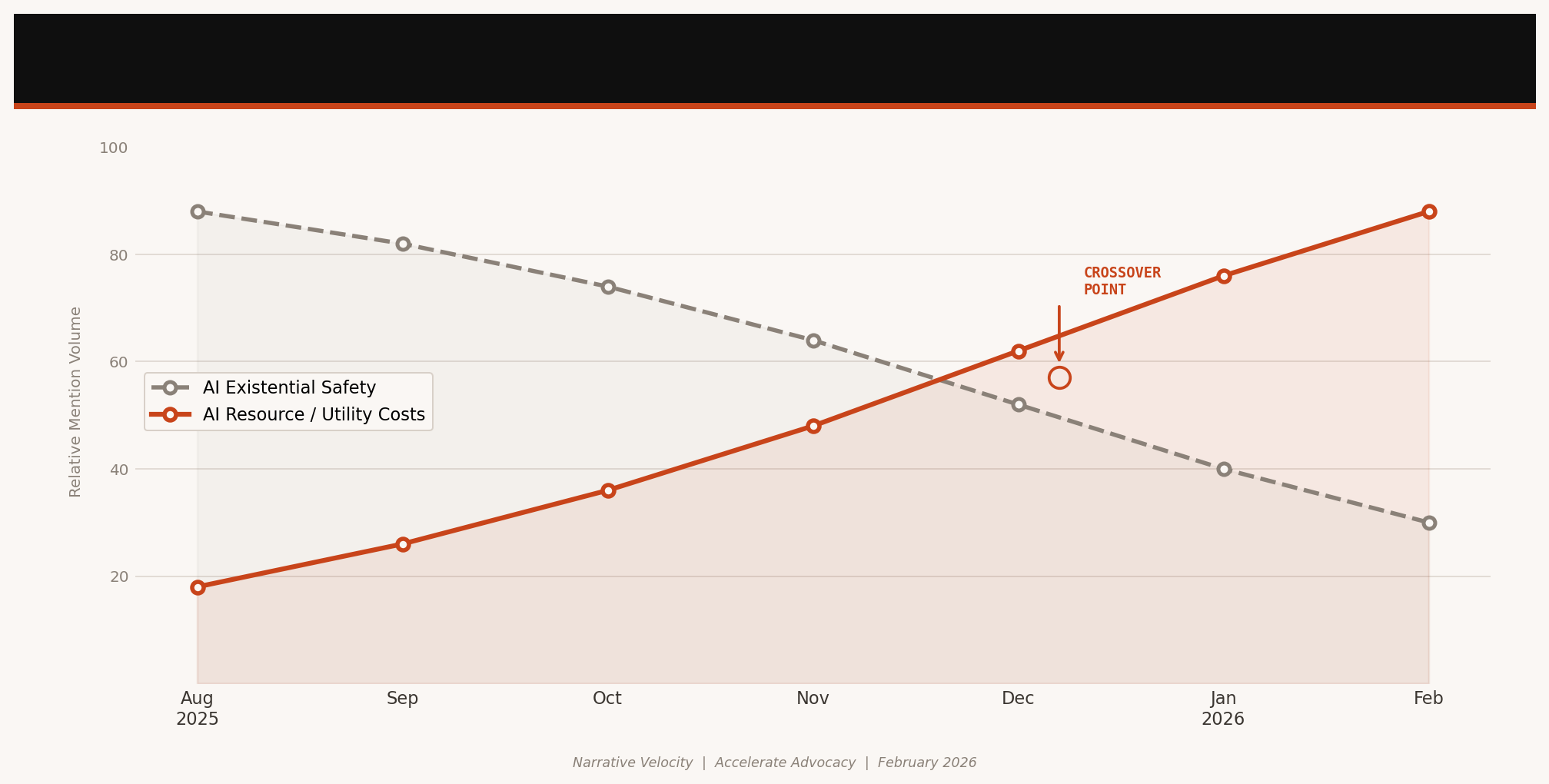
Chart 2: AI Narrative Divergence | Illustrative legislative mention trend, August 2025 to February 2026
The Organizations Going Quiet Are Making a Mistake
There is something else I have been watching that deserves naming, even though it is harder to show in data.
A lot of organizations right now are frozen. They are waiting for clarity from Washington before they say anything publicly, move on any strategy, or commit to any advocacy position. The logic makes sense on the surface: why plant a flag if the ground is still shifting?
Here is the problem with that logic. The narratives in this newsletter are not waiting. The "purity" frame is being written right now, in state houses and in hearing testimony and in parenting Facebook groups, and it is being written without your clients in the room. The "exit penalty" precedent is being set right now. The water story is calcifying right now.
Organizations that go quiet during a period of high narrative velocity do not get to walk back in when things settle and introduce themselves on their own terms. By the time they show up, they are already a character in someone else's story.
The midterm pressure is real. The uncertainty from Washington is real. But hesitation is not a neutral position. It is a choice that has a cost. In my experience, the organizations that define themselves during chaotic periods are the ones that have something to stand on when the dust settles. The ones that waited are the ones doing damage control.
Hesitation is not a neutral position. It is a choice that has a cost. The organizations that go quiet right now are not staying safe. They are ceding the narrative to whoever shows up.
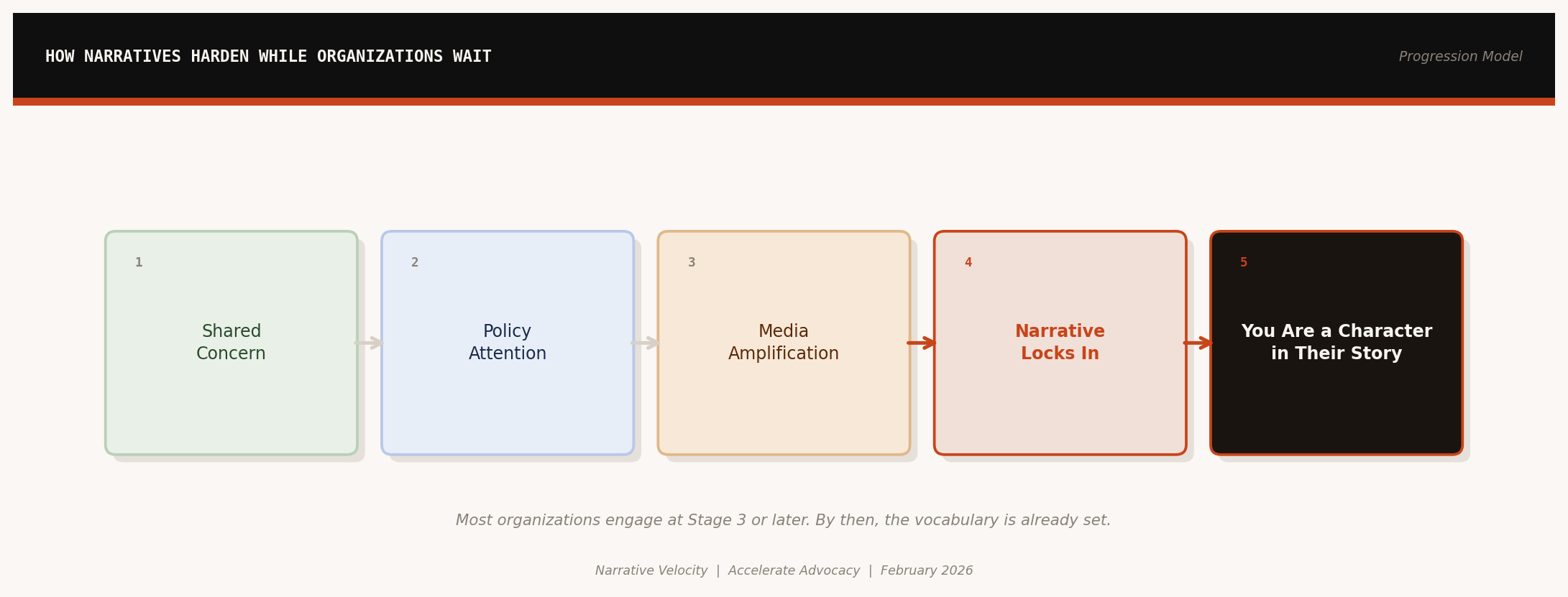
Chart 3: How Narratives Harden While Organization Wait | Progression Model
The Velocity Index
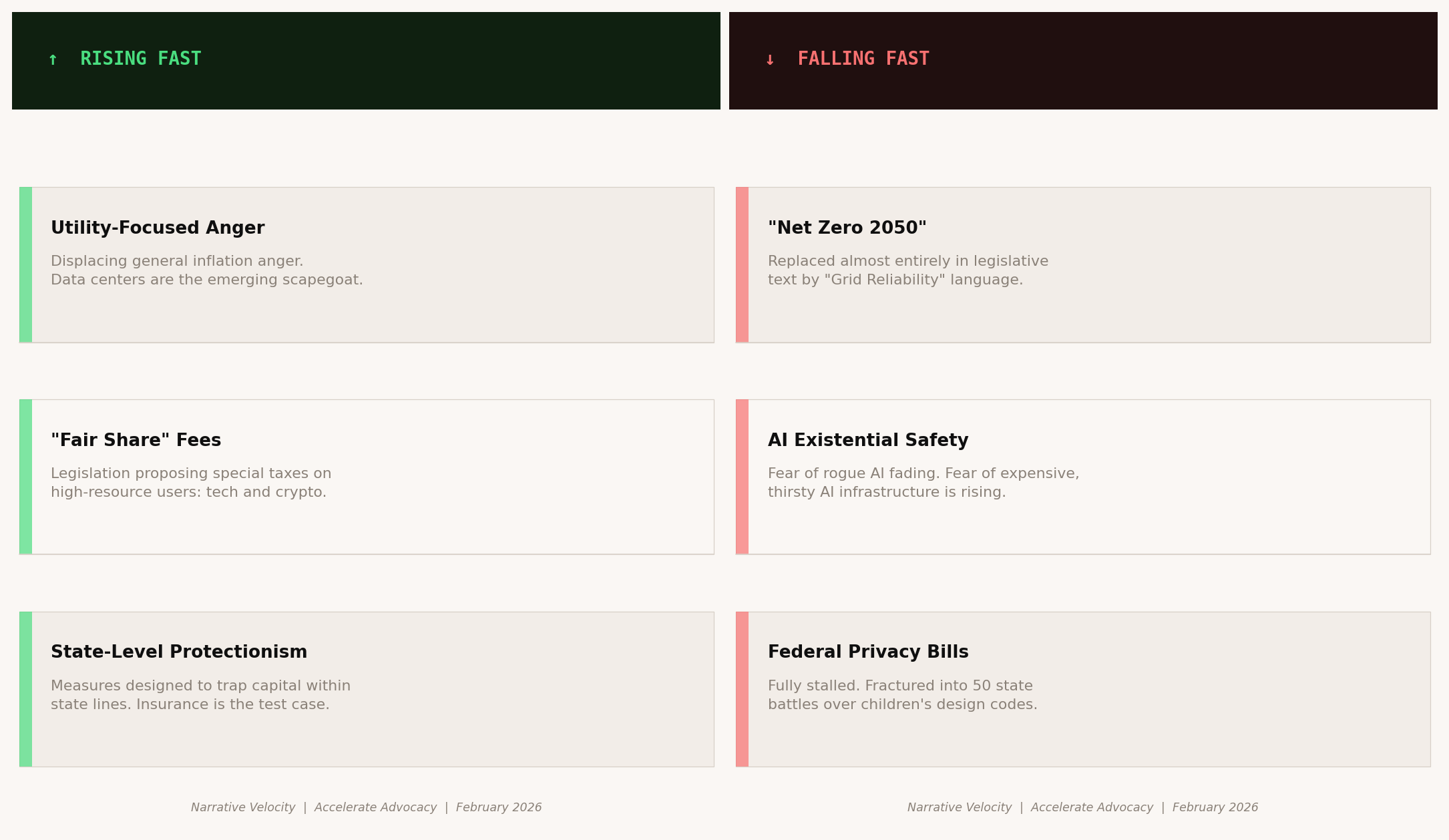
Chart 4: The Velocity Index | Rising and Falling Fast, February 2026
What I Am Watching Next
The midterm pressure I wrote about in the last edition is not easing. It is sharpening. The cost of living narrative continues to organize both parties, which means any issue that cannot attach itself to that frame is going to struggle for oxygen through the rest of the year.
What I am watching is whether organizations use that pressure as an excuse to stay quiet, or as a reason to get loud on the right things at the right time. In my experience, those who define themselves during chaotic periods are the ones with something to stand on when the dust settles.
The MAHA conversation started as a health argument. It is increasingly functioning as an economic argument. Clean food costs less in healthcare down the road. Addictive apps cost families money in therapy. Data centers cost you on your utility bill. The throughline is economic anxiety wearing a wellness vocabulary, and it cuts across political lines in ways that traditional regulatory fights usually do not.
That combination has staying power. And right now, most of the organizations in its path are waiting for clarity that is not coming.
I track how concern becomes policy language, and how policy language creates risk for organizations that are not watching early enough. That window is shorter than most people think.
Let's Think It Through
If any of this connects to something your organization is navigating right now, I am always glad to find 30 minutes. A short conversation usually gets to the useful part faster than a long email.